







Key Takeaways
- Optimal location strategy. Selecting the best places to live near dubai marina metro involves choosing buildings within a 500-meter radius of the Sobha Realty or DMCC stations to reduce commute friction.
- Rental price benchmarks. Yearly rents for apartments near these transit hubs range from AED 90,000 for studios to over AED 250,000 for premium three-bedroom units.
- Proximity price premiums. Residential units located within 500 meters of a metro station entrance typically command a rental premium between 10% and 15%.
- High occupancy rates. Data confirms that residential buildings with direct integration into the Dubai Tram system maintain an occupancy rate of 95% or higher throughout the year.
- Distance-based valuation. Studios located more than 1 km from the Sobha Realty station average a lower rental rate of AED 61,000.
Best Residential Buildings Near Dubai Marina Metro
Identifying the best places to live near dubai marina metro requires finding a residential unit that balances high-end amenities with direct transit access, moving beyond generic marketing brochures. Selecting a tower within a 500-meter radius of the Sobha Realty or DMCC stations reduces commute friction while preserving asset liquidity. This analysis identifies the specific buildings near the metro that offer the most defensible combination of occupancy and build quality.
StatGlobal evaluates these assets based on walking distance, facility management standards, and historical rental resilience.
1. Marina Gate

High-spec finishes and a strategic northern location provide quick access to the Sobha Realty Metro station via a brief walk or the integrated tram link. This development is a priority for investors seeking modern assets that command a premium for superior build quality and lifestyle amenities.
2. Dec Tower

Value-driven proximity makes this building a high-occupancy choice for mid-level professionals who need to be within walking distance of the Red Line. This building offers a more affordable rental base compared to neighboring luxury developments while maintaining high utility for commuters.
3. Park Island

Institutional-standard maintenance and high tenant retention rates define this signature Emaar-developed multi-tower complex. Its location near the metro interchange ensures long-term asset resilience and consistent yields, even during broader market fluctuations.
4. Marina Quays

Waterfront views are paired with a location less than 10 minutes from the metro entrance in this unique over-water development. The combination of architectural prestige and transit connectivity justifies the significant rental premium observed in this specific cluster.
5. Saba Tower (JLT Cluster E)

Direct metro connectivity via the pedestrian bridge allows Saba Tower residents to access the Marina infrastructure at a more accessible entry price point. This tower represents a high-value alternative on the JLT side of the station, offering efficient floor plans and identical transport links.
Strategic Rental and Connectivity Analysis
How much does it cost to rent an apartment near Dubai Marina Metro Station?
Determining the best places to live near dubai marina metro involves analyzing yearly rents near the Dubai Marina Metro stations, which range from AED 90,000 for high-floor studios to over AED 250,000 for premium three-bedroom apartments. Factors like building management standards and walking distance to Sobha Realty or DMCC stations significantly impact these figures. Proximity within 500 meters typically commands a 10% to 15% rental premium.
StatGlobal models these benchmarks against live market data to ensure investors avoid overpaying for assets with inflated waterfront claims. We observe that studios more than 1 km from Sobha Realty average AED 61,000, while units within the 500m to 1km bracket see substantial increases. Quality assets like Marina Gate sit at the top of this range due to high-spec finishes and institutional maintenance standards.
Are there trams or buses connecting areas further from Dubai Marina Metro?
The Dubai Tram circles the district, providing direct links between the metro stations and areas like Jumeirah Beach Residence (JBR) and Dubai Media City. This system facilitates last-mile connectivity for residents living further from the main Red Line stations. RTA bus feeders also provide secondary transit to the fringes of Al Sufouh.
StatGlobal analysis confirms that residential buildings with direct tram integration maintain a 95% or higher occupancy rate year-round.
This dual-mode connectivity reduces the typical urban dependence on private vehicles in high-traffic zones. StatGlobal analysts indicate that buildings near tram stops provide a defensive yield strategy for owners. These assets remain liquid even during market shifts because they serve commuting professionals who prioritize transit efficiency.
StatGlobal tracks several key transit features that support property value:
- Dubai Tram Interchange: Connects the Red Line to JBR and Dubai Media City via a continuous loop.
- RTA Bus Feeders: Serves the fringes of the Marina and Al Sufouh districts for secondary access.
- Pedestrian Access: Bridge links to JLT provide a value-side alternative for professionals seeking lower entry points.
The tram system acts as a shield against traffic density during peak hours. This infrastructure makes the Marina a resilient submarket for long-term hold strategies.
Evaluating the Marina Lifestyle for Different Demographics
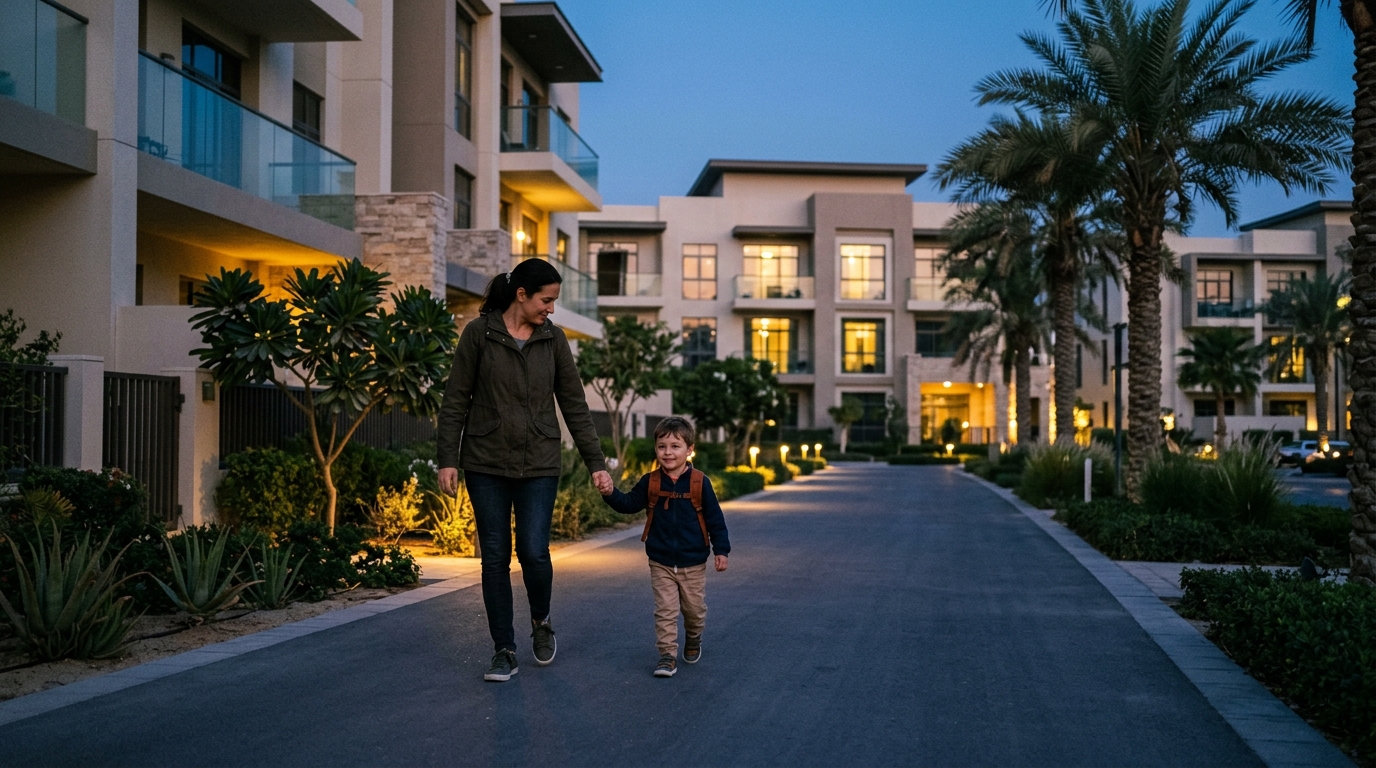
Is Dubai Marina a good place to live for families?
Dubai Marina is a practical family destination due to its high density of nurseries, medical clinics, and the seven-kilometer Marina Walk. While pedestrian-friendly for strollers and exercise, the district's appeal for parents is often weighed against peak-hour traffic congestion and the noise levels inherent to a high-density urban environment.
Many towers near the metro offer integrated play areas and proximity to essential services like Waitrose in Marina Mall. Parents often prefer buildings like Park Island for their institutional-standard maintenance and larger floor plans. StatGlobal analysts review building-specific occupancy data to ensure family-oriented units align with long-term capital preservation goals.
What are the pros and cons of living in Dubai Marina?
The primary pros of Dubai Marina living include unmatched public transport connectivity via metro and tram, high asset liquidity, and world-class amenities. Conversely, the cons involve significantly higher service charges in premium towers and persistent traffic density, making building selection a decision based on underwritten operational costs.
Investors benefit from high rental demand and 95% occupancy rates in buildings with direct transit integration. However, some older towers face facility management risks that can erode net yields through unexpected maintenance levies. StatGlobal provides documented reporting on building health and facility management standards to help buyers identify assets with defensible long-term value.