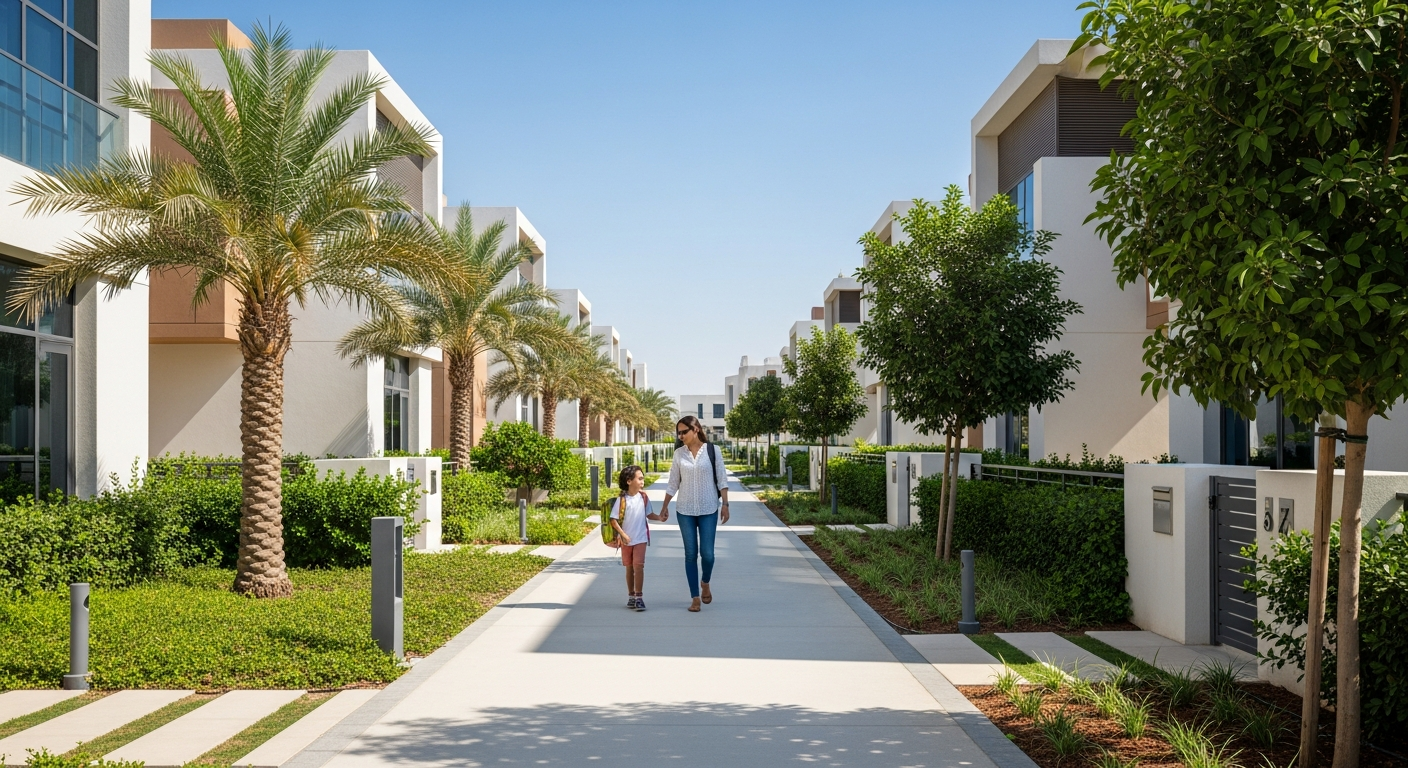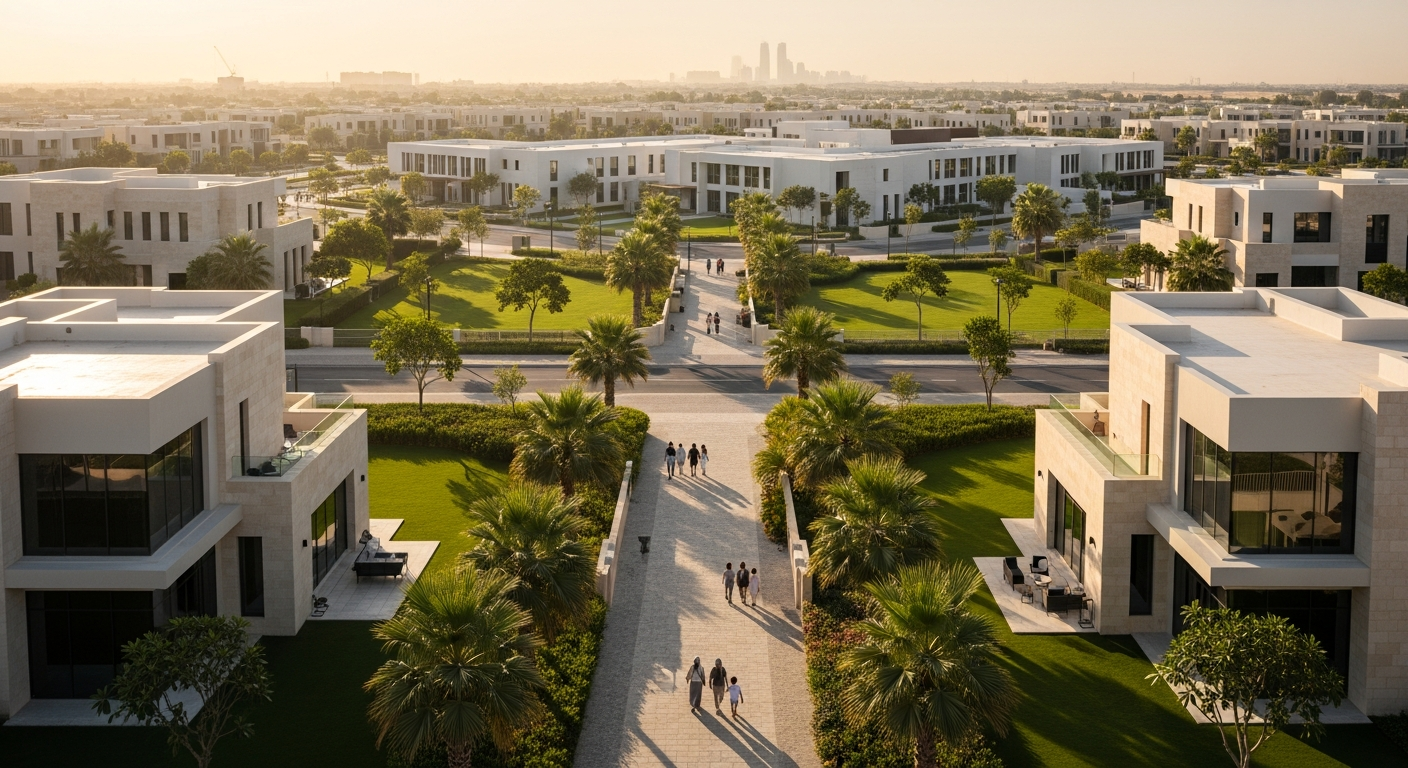







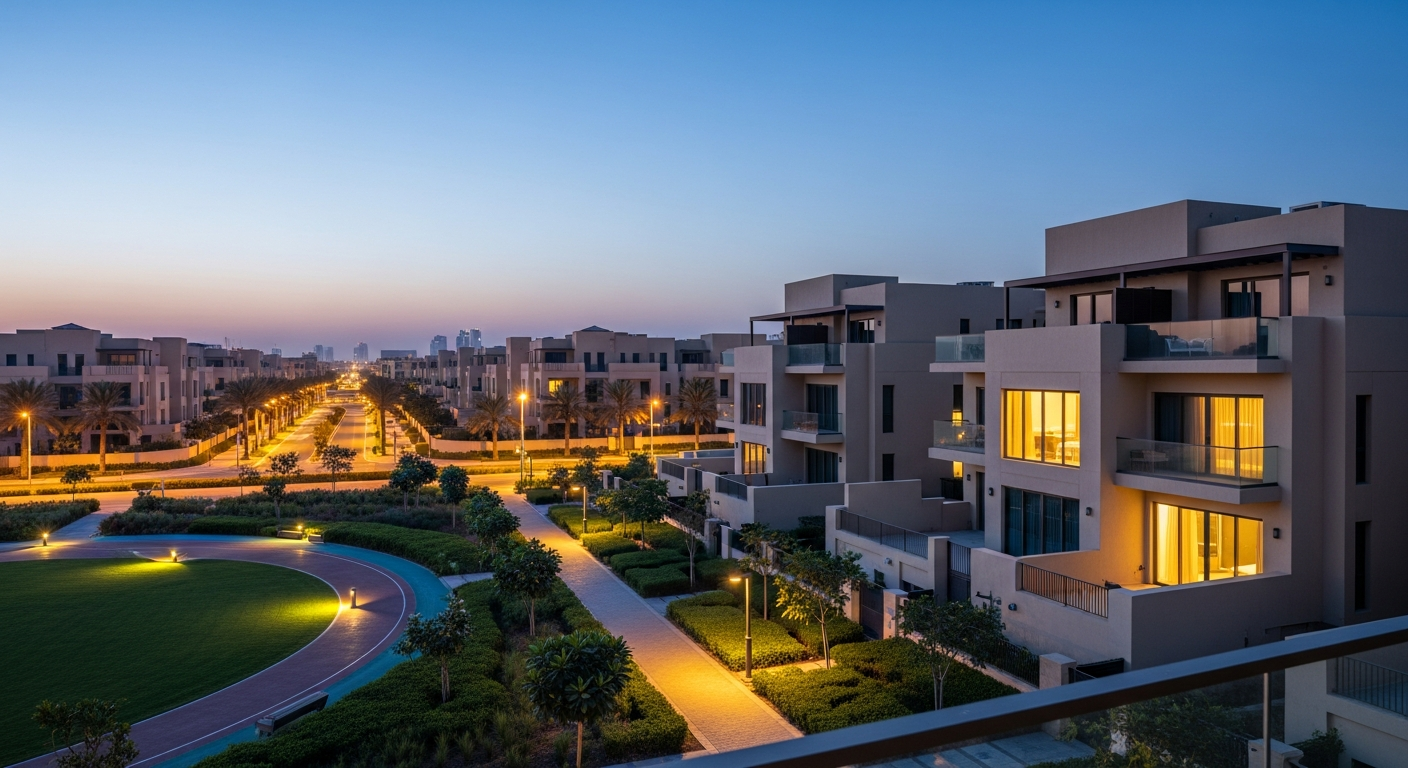
Finding the right home with easy access to green spaces in a busy city can be a challenge. This article highlights the five best neighbourhoods near Al Barsha Pond Park to simplify your search for the perfect location. You will be able to compare the most desirable communities to find a property that matches your specific needs.
Key Takeaways
- Strategic location. The neighbourhoods near Al Barsha Pond Park provide residents with a central link between Sheikh Zayed Road and Al Khail Road.
- Active lifestyle. Al Barsha Pond Park covers 50 hectares and features a 1.5km running track for local residents.
- High occupancy. Residential submarkets in this district consistently maintain high demand and strong occupancy levels.
- Rental pricing. One bedroom apartments in Al Barsha 1 currently command average annual rents between AED 65,000 and AED 90,000 based on recent market listings.
- Investment yields. Jumeirah Village Circle sits 10 minutes from the park and offers investors competitive gross yields in a growing freehold district.
- Proximity to services. Families living in these clusters have access to top international schools, such as Kings' School Al Barsha with annual fees ranging from AED 53,000 to AED 97,000, and medical facilities within a 5km radius.
Top 5 Neighborhoods Near Al Barsha Pond Park
1. Al Barsha 1
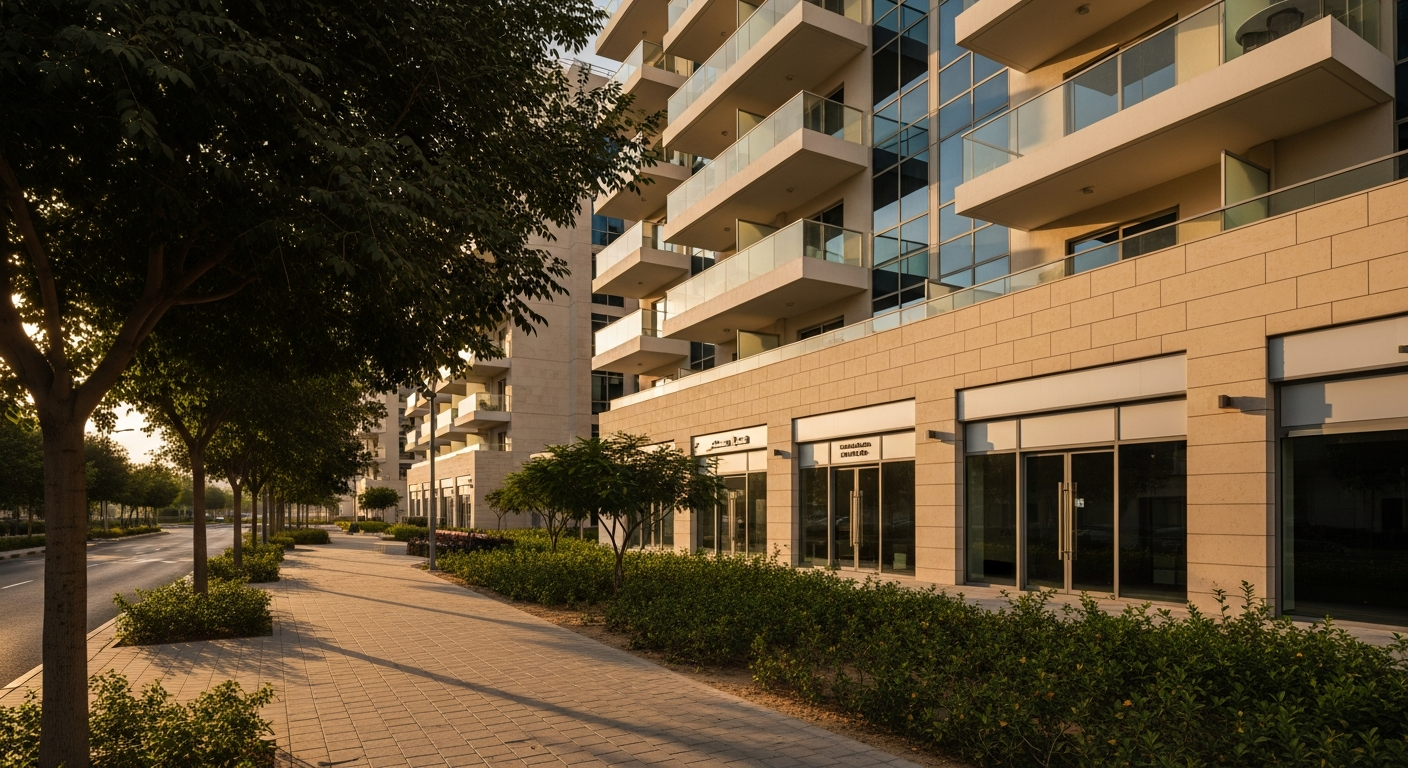
Al Barsha 1 serves as the most urbanized sector, characterized by mid-rise apartment buildings and a high density of retail and dining outlets. It attracts professionals seeking proximity to the Mall of the Emirates and the Red Line Metro. Market data from PropertyFinder shows 1-bed rental averages here currently range between AED 65,000 and 90,000, supported by consistently high demand from the local workforce.
2. Al Barsha 2 and 3
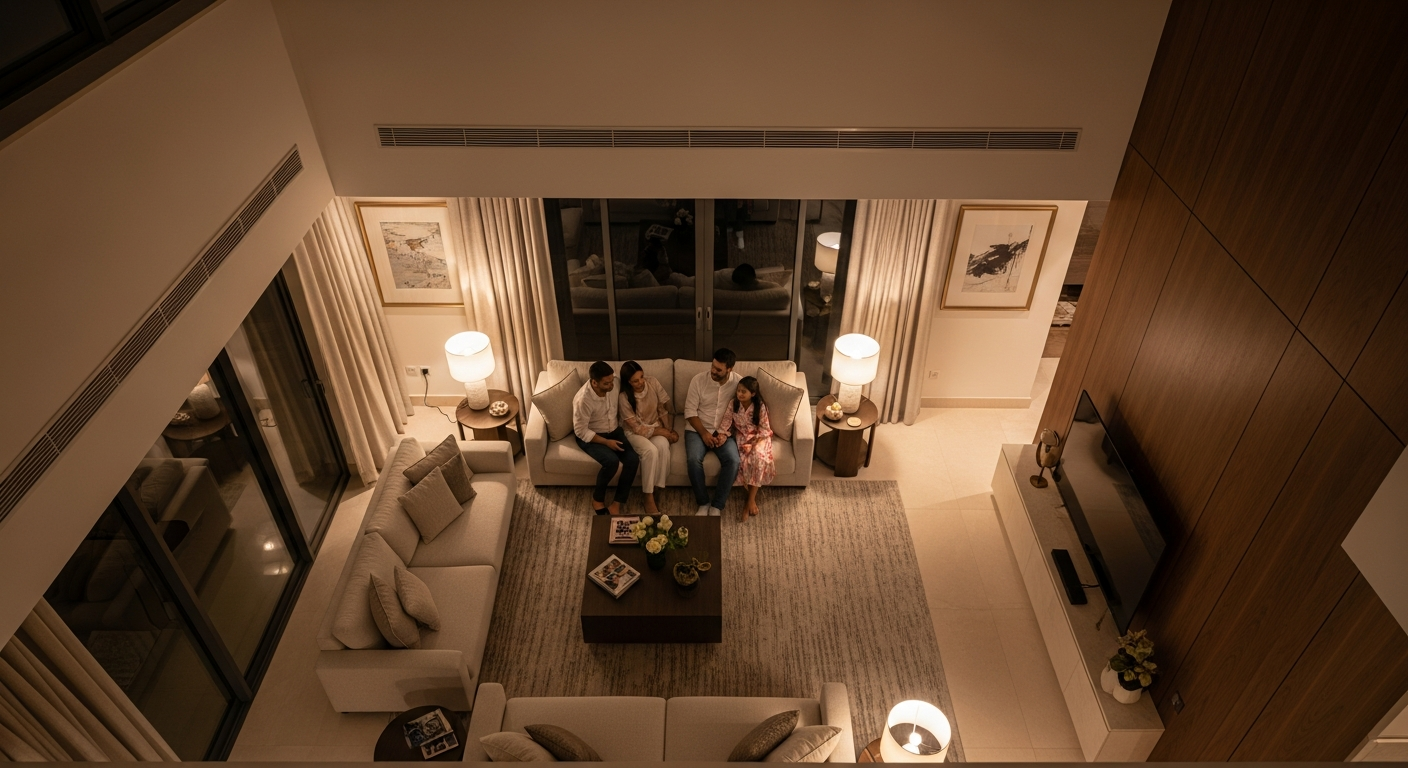
Al Barsha 2 and 3 are primarily residential villa communities that house the park itself within the Barsha 2 boundary. These sub-districts offer larger plots and quieter, wider streets compared to the high-density urban sectors. While largely non-freehold, they remain a staple for long-term family residency and high-end villa management mandates.
3. Al Sufouh
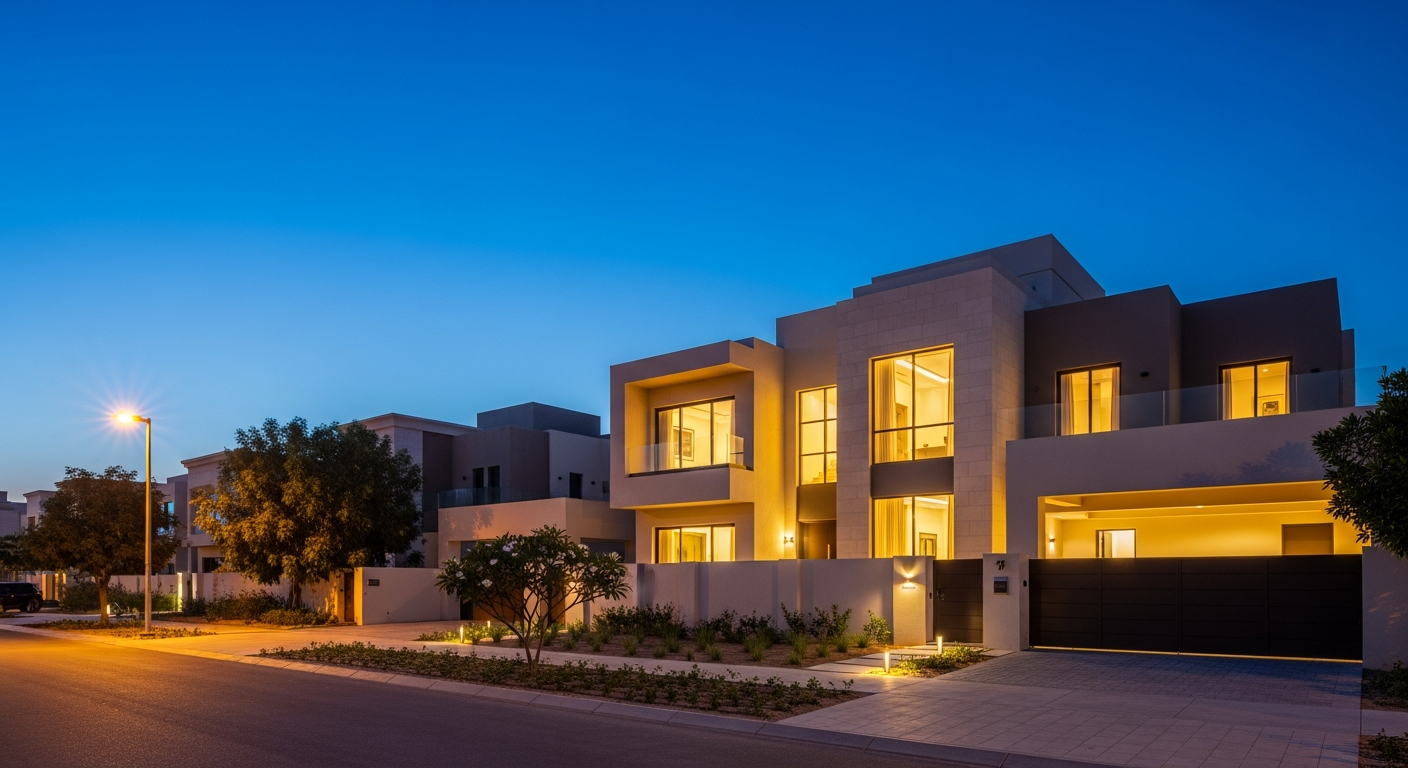
Al Sufouh is an upscale neighbor, providing a mix of luxury villas and mid-rise developments near Dubai Knowledge Park and the coastline. It appeals to western expats and executives who require quick access to both the beach and the business hubs along Hessa Street. The area maintains a premium price point due to its limited supply and proximity to the Burj Al Arab.
4. Jumeirah Village Circle (JVC)
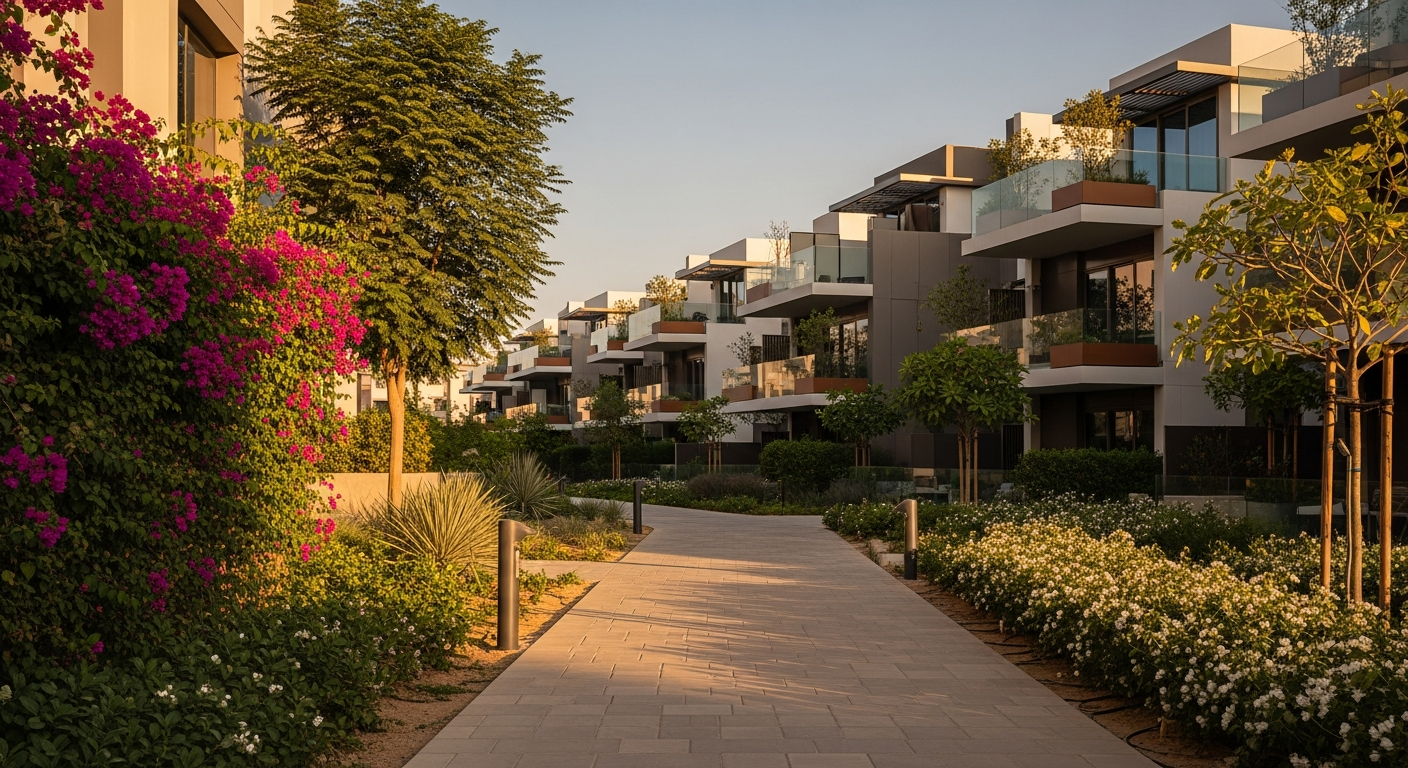
Jumeirah Village Circle (JVC) has emerged as a favorite for those seeking strong returns, situated just a 10-minute drive from the park via Hessa Street. Investors target this freehold cluster for modern apartments that offer attractive gross yields. StatGlobal evaluates these properties against expected price growth to ensure defensible long-term positions for international buyers.
5. Umm Suqeim
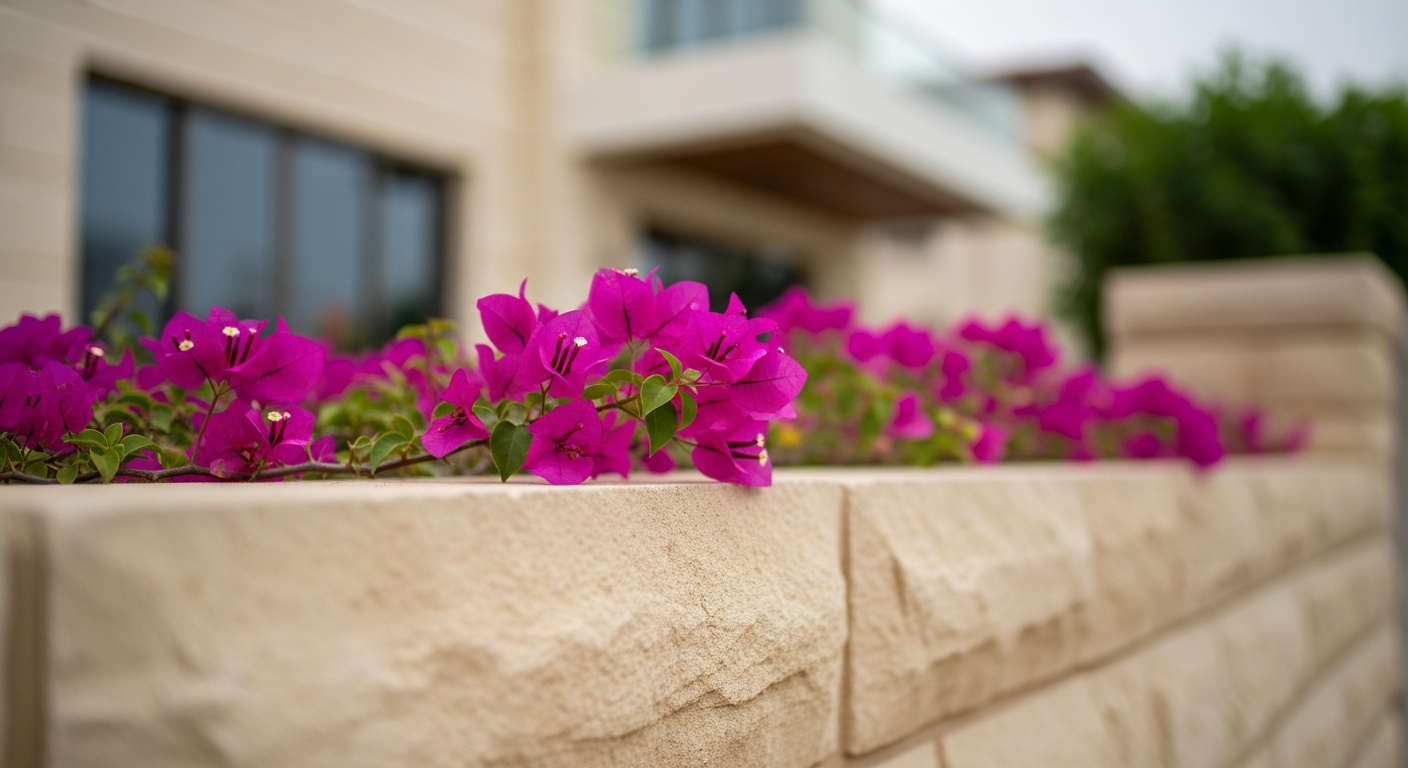
Umm Suqeim is a premium coastal district, bordering Al Barsha, popular with HNW individuals and western expats who value low-density living. The neighborhood features high-end independent villas and is home to some of the city's most established schools and private clinics. Its location provides a strategic balance between the greenery of the pond park and the recreational offerings of the Arabian Gulf coast.
Investment and Relocation Dynamics in the Barsha District
Can expats buy in Al Barsha?
Expats can buy property in Al Barsha South and neighboring JVC because these are designated freehold zones. While Al Barsha 1, 2, and 3 are traditionally non-freehold areas reserved for UAE and GCC nationals, foreign investors often target the high-yield apartment clusters in Al Barsha South to secure 100% ownership.
Specialists examine these sub-zones by differentiating between leasehold and freehold titles to protect investor capital. Market research indicates that while Al Barsha 1 offers high rental density, investors seeking capital appreciation prioritize the freehold status of Al Barsha South.
We document every title risk before recommending an asset to an international buyer.
Where do Indians and Brits mostly live in Dubai?
Indian expats frequently choose Al Barsha and JVC for their family-centric infrastructure and proximity to international schools. Conversely, British expats often prefer the coastal lifestyle and villa communities in Al Sufouh and Umm Suqeim. These choices are driven by specific preferences for either urban apartment living or premium beachfront access.
StatGlobal matches clients to these neighbourhoods near Al Barsha Pond Park based on documented relocation mandates. We analyze school catchments, such as Kings' School Al Barsha which has annual fees between AED 53,000 and AED 97,000, and commute times to ensure every property recommendation fits the specific demographic profile of the resident.
This process-driven approach replaces generic lifestyle pitches with data-backed residential options for relocating professionals.
How far is Al Barsha from downtown?
The drive from Al Barsha to Downtown Dubai typically takes between 15 and 20 minutes depending on the specific sector and current traffic flow. Direct access to Sheikh Zayed Road (E11) and Al Khail Road (E44) provides residents with efficient connectivity to the city's primary commercial hubs and Burj Khalifa district.
Traffic modeling is a standard part of our property assessment process for both tenants and buyers. We closely examine peak hour commute times to provide a realistic assessment of an asset's long-term desirability. This ensures that investment targets are supported by actual accessibility rather than marketing estimates, allowing StatGlobal to provide expert property management and advisory services to those moving to the area.
Amira Al-Mazrouei's Take
While Al Barsha 1 caters to high-density demand, I view JVC as the strategic hedge for investors seeking modeled yields near this park. The signal I watch is the consistent occupancy across Al Barsha 2 and 3. These clusters offer a predictable asset health profile that justifies their premium over newer, less established family districts.