





Key Takeaways
- Legal Security. The Dubai International Financial Centre Dubai United Arab Emirates operates under its own civil and commercial laws based on English Common Law, providing a familiar environment for global participants.
- Business Density. This district reached 6,920 active registered companies in 2024, which represents a 25% increase from the previous year according to official DIFC data.
- Rental Premiums. Data from JLL and Cushman & Wakefield Core shows that high-quality office spaces here command rents 15% to 25% higher than those in neighboring Business Bay.
- Economic Power. This single district contributes approximately 5% of Dubai's total GDP and hosts 17 of the world’s top 20 banks, according to official DIFC Authority reports.
- Future Growth. The upcoming DIFC 2.0 expansion plans to add 13 million square feet of space to accommodate the growing number of fintech and innovation firms.
The Strategic Role of DIFC in the United Arab Emirates
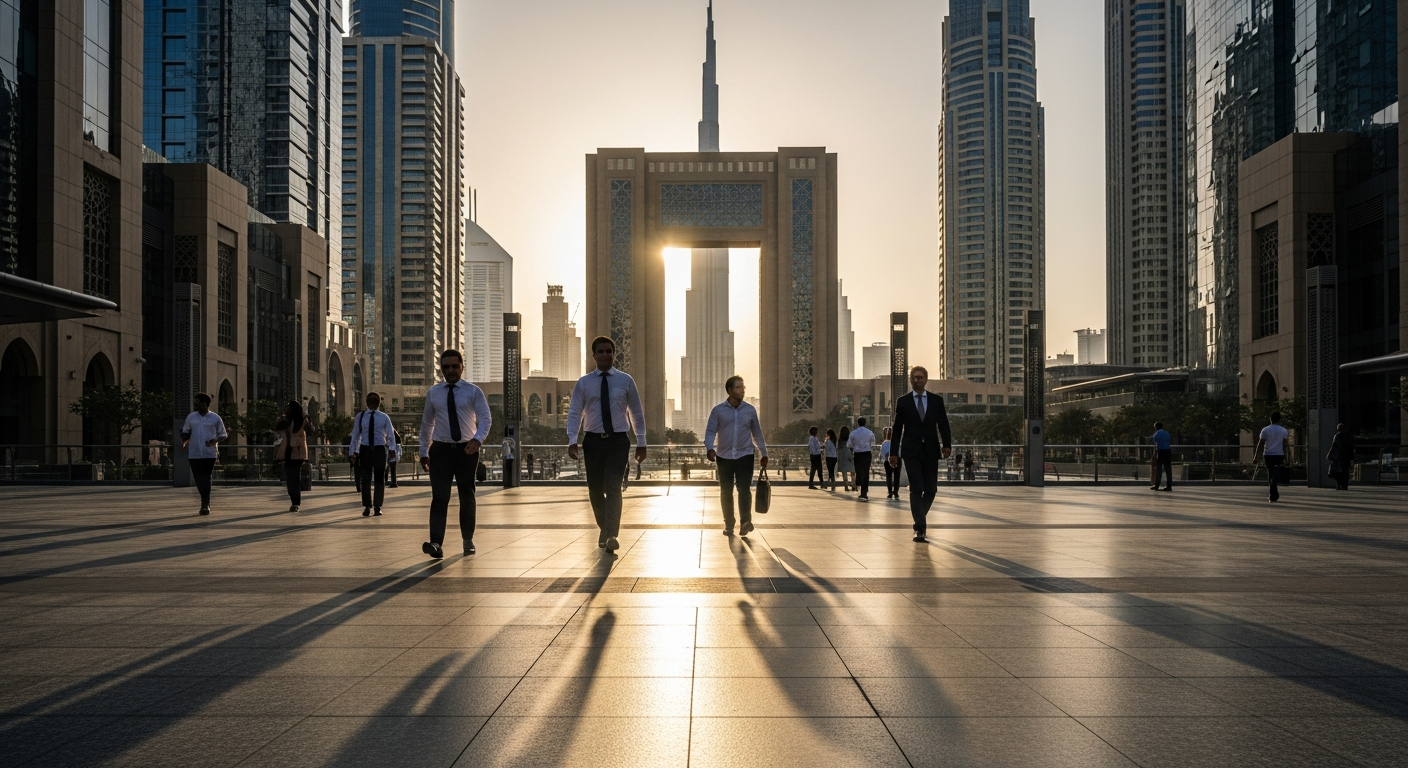
The Dubai International Financial Centre Dubai United Arab Emirates stands out as a unique "city within a city" that changed how people view financial hubs in the United Arab Emirates. Unlike other parts of the city, this district operates as an independent jurisdiction with its own courts and regulatory system.
Investors often feel more comfortable here because the legal framework mirrors the English Common Law system used in London or New York. Law firms like Locke Lord and Reed Smith noted in 2024 that this familiarity makes it easier for international companies to settle disputes and manage contracts. This sense of security attracts the world's largest banks and investment firms to set up permanent headquarters in the heart of Dubai.
Economic data highlights the sheer scale of activity within these boundaries. According to official DIFC Authority reports, the district contributes approximately 5% of Dubai's total GDP, hosts 17 of the world’s top 20 banks, and currently supports a workforce of over 43,000 professionals, which grew by 12% in a single year. These individuals are typically high earners who need places to live, eat, and shop, creating a self-sustaining economy that doesn't rely solely on the oil industry.
Why DIFC Is a Preferred Hub for Global Real Estate Investors
Property owners find that investing in DIFC property offers a different experience than buying in purely residential suburbs. The district is physically small, meaning there is only a limited amount of land available for new buildings. This scarcity helps maintain property values even when other parts of the city see more supply.
Demand for homes in this area comes directly from the concentrated professional workforce. Many executives prefer to live within walking distance of their offices to avoid traffic on Sheikh Zayed Road. Proximity to high-end galleries and famous restaurants like Zuma or La Petite Maison keeps the area busy long after office hours end.
Commercial real estate in Dubai often sees fluctuations, but this specific hub remains remarkably stable. Reports from JLL in 2025 show that occupancy for high-quality office space in the district reached 95%.
Companies rarely leave once they are established because the cost of moving and the prestige of the address are significant factors. However, the high entry price for these properties means that buyers must have a clear plan for their money.
High-Quality Office Space and Market Comparisons
Comparing the financial district to nearby areas like Business Bay reveals a clear price gap. While Business Bay offers many great options, the specialized laws and infrastructure in the financial centre allow owners to charge more for rent. Market data suggests that the "location premium" for being inside the DIFC gates is substantial.
Professional tenants in this zone often sign longer leases compared to retail or small-scale residential tenants. This stability provides a predictable flow of rental income, which is often paid in dirhams. Since the dirham is pegged to the US dollar, these returns hold their value well for international owners.
Property managers on the ground notice that tenants in this district expect a very high standard of maintenance. Buildings must be kept in top condition to satisfy the global standards of the firms living there. Owners should prepare for higher service charges to cover these operational costs, but the higher rent usually covers these expenses.
Future Growth and the Impact of DIFC 2.0
The district is not finished growing. A massive expansion project known as DIFC 2.0 aims to triple the number of companies operating in the zone over the next decade. This plan includes adding 13 million square feet of new space for offices, homes, and shops.
Newer developments are focusing heavily on the "Future of Finance" by building spaces for fintech startups and venture capital firms. The Q1 2024 opening of Innovation One added 200,000 square feet of commercial space specifically for these tech-driven companies. This shift ensures the area stays relevant as the financial world moves toward digital banking and artificial intelligence.
Expansion usually leads to a rise in demand for nearby residential units. Areas like Downtown Dubai and City Walk often see increased interest from people working in the financial district. While the new supply of buildings will take years to finish, the early stages of this expansion are already drawing in new residents and businesses.
Entering the Market with Specialist Knowledge
Choosing the right property in such a competitive area requires looking at specific data rather than following general trends. Some buildings might offer better rental income, while others have better potential for the price to go up over time. In practice, the best results come from analyzing live occupancy rates and the quality of the tenants already in the building.
StatGlobal advisors see these operational realities every day while managing over 1,200 units across Dubai. Our team uses a detailed process to perform data-backed analysis on every property recommendation against current market facts and documented evidence. We focus on finding properties that can hit an 8% rental income target while ensuring the investment is protected against market changes.
Success in the Dubai property market depends on having a clear plan and working with specialists who understand the local rules. If you want to explore how a position in the Dubai International Financial Centre Dubai United Arab Emirates fits into your goals, our specialists can provide a written case for your next move. Contact StatGlobal today to see the data behind the district’s most resilient properties.