





Key Takeaways
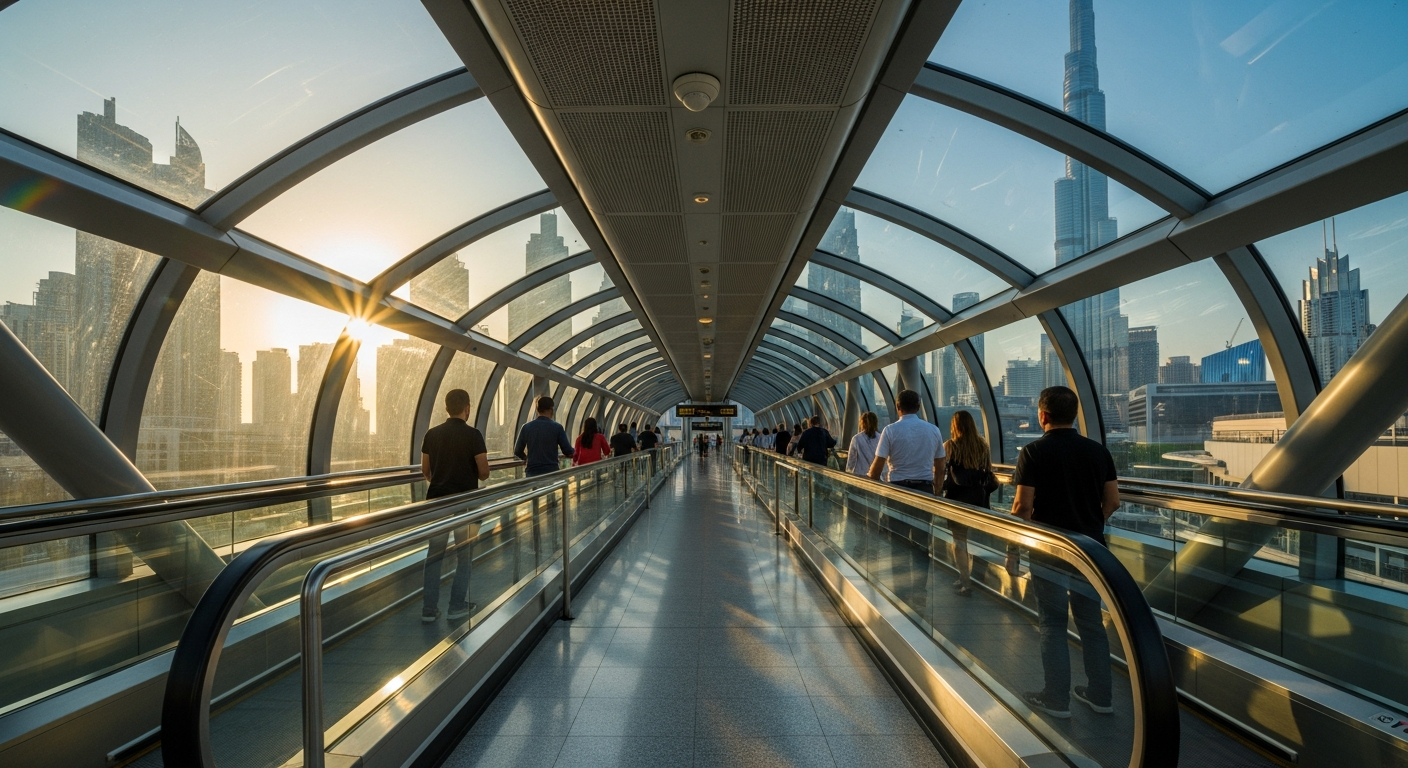
- Infrastructure impact. The 820-meter air-conditioned bridge is a vital part of the Dubai Mall metro connection, moving over 30,000 people daily.
- Rental premiums. Properties within walking distance of the Burj Khalifa/Dubai Mall Metro Station typically command 15% to 20% higher rents than isolated buildings.
- Consistent tenant demand. High-quality buildings near the Dubai Metro Red Line show lower vacancy rates because they appeal to professionals who want a car-free lifestyle.
- Reliable growth. Ridership for this specific hub has grown by 7.5% annually over the last five years, according to data from the RTA.
- Investment security. StatGlobal advisors suggest that properties with sheltered access to the metro provide better protection against market changes.
The Infrastructure of the Dubai Mall Metro Connection
Modern cities rely on how easily people can move between work, home, and leisure. In Downtown Dubai, the climate-controlled walkway connecting the metro to the mall is more than a convenience. It is a critical piece of the city's transport network that bypasses the intense summer heat.
Technical Specifications and Connectivity
The bridge itself is a 820-meter glass tunnel that links the Red Line station directly to the entrance of the world’s largest shopping center. It features 10 travelators that move at 0.5 meters per second, allowing thousands of people to transit without ever stepping outside. This setup is essential when temperatures reach 40°C to 50°C during the peak summer months.
Data from the RTA shows that this link handled nearly 7.9 million annual passengers in 2019. By 2025, officials expect to expand the station’s capacity by 65% to handle over 12,000 passengers every hour. This expansion ensures that the area can support the massive crowds that gather for events like the New Year’s Eve fireworks at the Burj Khalifa.
The bridge also includes retail kiosks and 24-hour security, making it a safe and functional path for residents of Emaar Square and the surrounding towers. We see this efficiency as a major factor for people choosing to live in Downtown rather than other districts. It turns a long walk into a comfortable five-minute trip.
Impact of Metro Connectivity on Real Estate Valuations
When you are investing in Dubai real estate, the distance to a train station is often the first thing a tenant asks about. Properties located near the Dubai Metro Red Line are not just more convenient; they are often more profitable. We see this clearly when comparing two similar buildings where one has direct metro access and the other does not.
Analyzing Returns and Value Growth
Based on our experience managing units in the area, buildings near the metro hub maintain higher occupancy year-round. Tenants are willing to pay a premium to avoid traffic on Sheikh Zayed Road. Research from industry reports by firms like CBRE indicates that this "metro effect" can increase rental prices by up to 20%.
The influence of transport infrastructure extends beyond the immediate vicinity of the Burj Khalifa. In Business Bay, which sits directly adjacent to the Downtown district, the impact of the Red Line is equally pronounced. Properties such as Executive Towers or the various commercial developments situated along the Dubai Canal have seen a marked increase in demand since the improvement of pedestrian links. Data from recent market reports suggests that office spaces located within a 10-minute walk of a station in Business Bay achieve 12% higher rental income compared to those requiring a shuttle or private car. This trend is mirrored in the residential sector, where studio and one-bedroom apartments—favored by young professionals—see the highest turnover and lowest vacancy periods.
Investors are increasingly looking at the 'walking distance' metric as a primary indicator of a property's future performance. For instance, residential buildings located near the Business Bay station often outperform those situated closer to the Al Khail Road side of the district. The ease of commuting to the dubai mall metro station or the financial district makes these properties highly liquid assets. We have observed that even during broader market corrections, the proximity to a high-capacity transit hub acts as a price floor, preventing the sharp declines often seen in more isolated suburban neighborhoods.
Furthermore, the synergy between Business Bay and Downtown is strengthened by the metro's role as a bridge between commerce and leisure. As more international companies move their headquarters to the sleek towers of Business Bay, the demand for housing that offers a quick, climate-controlled commute to the city's main shopping and dining areas increases. This interconnectedness creates a localized micro-economy where property values are better insulated from global volatility. By analyzing footfall and transit usage data, StatGlobal has identified that the most resilient investments are those that cater to the car-free lifestyle now being championed by Dubai's urban planners.
These properties also tend to hold their value better when the market slows down. While prices in remote areas might fluctuate, the demand for Downtown and Business Bay remains steady because the infrastructure is already in place. Buyers see these homes as safer places to put their money.
StatGlobal specialists use live market data to check the potential of every building near the hub. We look at pedestrian accessibility scores and footfall numbers to see if a property is likely to grow in value. A building that is easy to reach by foot is almost always a better choice for long-term wealth.
Visiting the World's Largest Shopping Destination via Metro
The station acts as the primary gateway for millions of tourists and residents every year. It connects people to the Burj Khalifa, the Dubai Fountain, and the Dubai Opera. For a resident living in an adjacent tower, the dubai mall metro station is their link to the rest of the city.
Strategic Advantages for Residents and Tenants
Living near this hub means you do not need a car to enjoy the best of Dubai. You can take the train to Dubai International Financial Centre (DIFC) for work or head to Dubai Marina for the weekend. This lifestyle is becoming very popular with young professionals moving to the UAE.
Emaar Properties and the RTA recently signed an agreement to further improve this connection. The goal is to handle 220,000 passengers daily in the future. As the Dubai public transport infrastructure grows, the towers closest to these hubs will become even more desirable.
One challenge to consider is that the area can become very crowded during holidays and sales events. However, for most residents, the benefit of having world-class shopping and dining at their doorstep outweighs the occasional crowd. It is a trade-off that has proven successful for thousands of property owners.
If you are looking to buy or manage property in this district, StatGlobal provides the detailed data you need. We help you look past the marketing and focus on the actual numbers that drive rental income and property growth. Our team ensures that your decisions are based on facts and the reality of the Dubai market.
Working with a specialist who understands these transit links can make a significant difference in your results. StatGlobal manages over 1,200 units across the city and uses that experience to guide every client. Whether you are relocating or looking for a new investment, we provide the documentation and support to help you succeed.